Sheepshead Bay Locksmith Brooklyn Service Team
Local locksmith team
Aug 6, 2026 10 min read
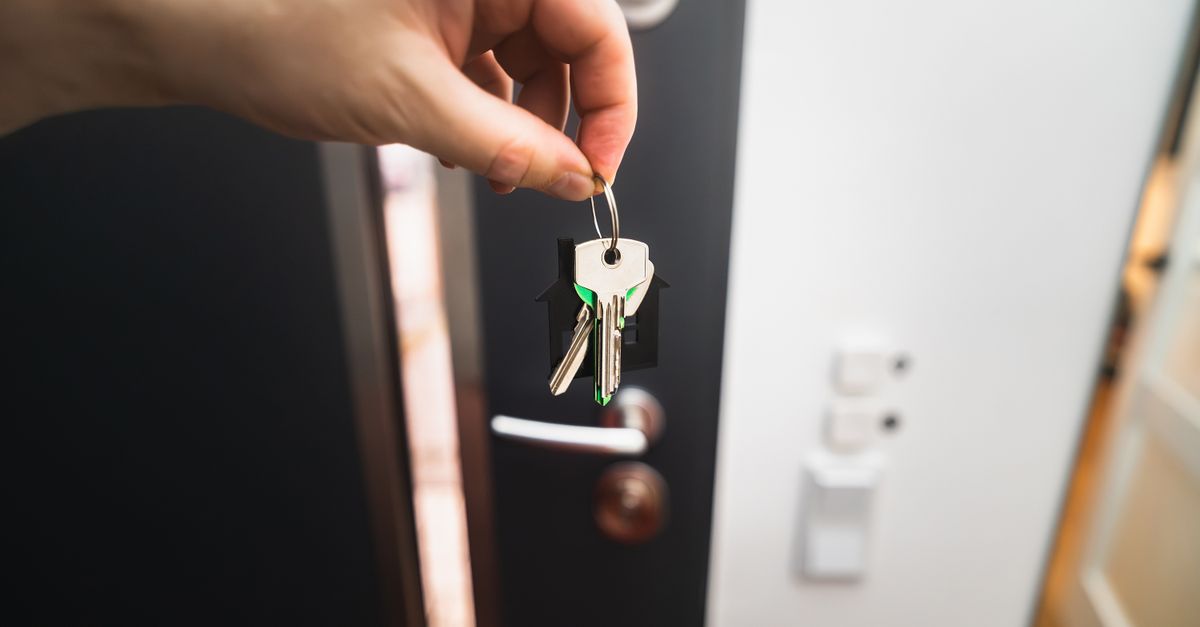
You just got the keys to your new Brooklyn apartment — maybe a walkup off Emmons Avenue, a ground-floor unit near Sheepshead Bay Road, or a duplex a few blocks from the B or Q train. Exciting as that moment is, there's an uncomfortable reality most renters don't think about until later: you have no idea how many copies of that key are floating around. The previous tenant, their ex, their dog-walker, their contractor — any of them could still have a working copy. So the obvious question becomes: can your NYC landlord refuse to change or rekey the locks before you move in?
The short answer is: in New York City, landlords have a legal obligation to change or rekey your locks before you occupy a new apartment — but how that plays out in practice, and what your options are when a landlord drags their feet, is something every Brooklyn renter should understand before they unpack a single box. This guide walks you through the law, your rights, and what a professional locksmith can do to protect you when the system doesn't move fast enough.
## What NYC Law Actually Says About Rekeying Locks
New York City Administrative Code Section 27-2043 is the specific rule that matters here. It requires that a landlord change the lock cylinder — or rekey the lock cylinder — on the entrance door of a dwelling unit every time a new tenant takes occupancy. This isn't a courtesy, a lease perk, or something you have to negotiate. It's a legal obligation, and it applies to virtually every residential rental in the five boroughs, including Brooklyn. The landlord must provide you with at least two keys to that new lock. If they fail to do so before you move in, you're entitled to have the work done yourself and deduct the reasonable cost from your rent — though you'll want to document everything carefully before going that route.
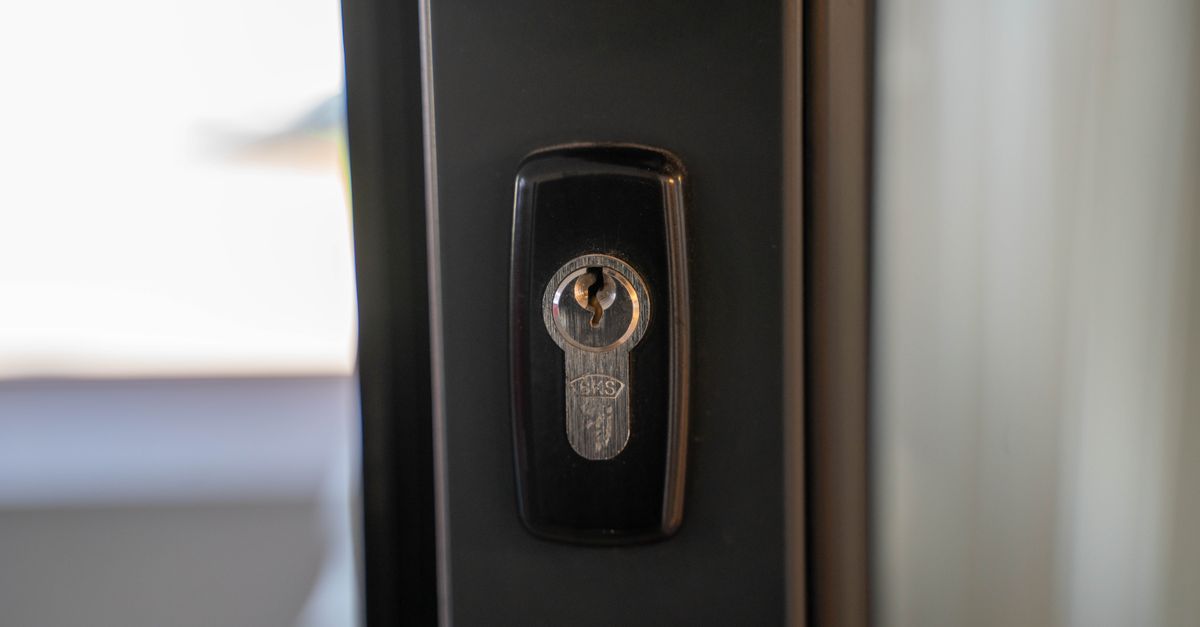
So what does it mean to rekey a lock, practically speaking? Rekeying means a locksmith disassembles the lock cylinder and replaces the internal pins and springs so that only a brand-new key will operate it. The physical hardware — the deadbolt, the knob, the strike plate — stays in place. It's a faster and typically less involved process than a full lock replacement, but it accomplishes the same security goal: anyone with the old key is permanently locked out. A skilled locksmith can rekey a door lock on-site in a matter of minutes per cylinder once they have the right tools and replacement pins for your specific lock model.
## How to Rekey a Lock: What Happens During a Professional Service Call
When our locksmith team arrives at your Brooklyn address, the process for a standard rekey follows a clear sequence. First, we verify your identity and your right to the unit — we'll ask for your lease or proof of occupancy, which is standard practice for any reputable locksmith and protects you as much as it protects the property. Then we remove the lock cylinder from the door, decode the existing key cuts, and replace the driver pins inside the cylinder with a new combination that corresponds to a freshly cut key. If you have multiple locks on the door — a deadbolt and a knob lock, for example — we can rekey the lock to match an existing key pattern so both cylinders work off a single new key, which is a detail tenants often don't think to ask about but really appreciate afterward.
The factors that go into your final quote for this kind of service include the number of lock cylinders being rekeyed, the brand and complexity of the hardware (a basic Kwikset or Schlage cylinder is straightforward; a high-security Medeco or Mul-T-Lock requires specialized pinning kits), whether the call comes in during overnight hours, and travel distance within our Brooklyn service area. We confirm an exact price upfront before any work begins — no surprises when the job is done. If you're in Sheepshead Bay, Gravesend, Flatbush, or anywhere else in Brooklyn and your landlord hasn't come through, call us at 347-768-7831 and we'll walk you through your options on the spot.
## What to Do When Your Landlord Refuses or Stalls
In a perfect world, your landlord hands you freshly rekeyed keys on move-in day. In Brooklyn, the real world sometimes involves a landlord who says they'll 'get to it,' hands you the same key the last tenant had, or insists the building's super already handled it — with zero documentation to back that up. Here's a practical sequence of steps if you find yourself in that situation. Start by putting your request in writing — a text or email creates a timestamp. Reference the NYC Administrative Code obligation so the landlord understands you know your rights. Give a reasonable deadline (five to seven business days is fair) and state clearly that you'll arrange the service yourself and document costs for potential rent deduction if they don't follow through.
If they still don't act, contact a professional locksmith directly. As a tenant, you have the legal standing to arrange rekeying of your own unit. Keep your receipt, your lease, and all written communication with the landlord in one place. If you later need to deduct the cost from rent, you'll want that paper trail. And if the landlord retaliates or disputes it, NYC's Division of Housing and Community Renewal and Housing Court are the appropriate venues — not a locksmith, so consult a tenant's rights organization or attorney for that part. The locksmith's job is to get your door secure. The legal follow-up is a separate track.
## Beyond Rekeying: When a Full Lock Replacement Makes More Sense
Rekeying is the right call in most new-tenant situations, but there are times when a full lock replacement is the smarter move. If the existing deadbolt is old, showing wear, or is a low-grade lock with no ANSI security rating, a new cylinder won't fix the underlying vulnerability. If the door frame or strike plate has damage from a past forced entry — something that happens in older Brooklyn apartment buildings — rekeying the cylinder while leaving a compromised frame does little for your actual safety. And if the lock is a proprietary or uncommon format that pinning kits don't easily accommodate, swapping to a new quality deadbolt may be more efficient and more secure.
Our locksmith team works with a wide range of residential hardware, from standard single-cylinder deadbolts to high-security options with anti-pick, anti-drill, and anti-bump features. We can assess your door on-site and give you an honest recommendation — rekey if the hardware is solid, replace if it isn't. We're not going to upsell you on a new lock when your existing one is fine, and we're not going to leave you in a unit with a door that isn't genuinely secure just to keep a job quick.
## Lockout Scenarios and What Brooklyn Renters Should Actually Do
Separate from the rekeying question, lockouts happen — and in a dense borough like Brooklyn, they tend to happen at the worst possible times: late at night, in the rain, after a long shift. If you find yourself locked out of your apartment, the practical first steps are the safe and straightforward ones: check whether another door or window you can safely access from ground level is unlocked (not a fire escape or second-story window), contact a trusted neighbor who may have a spare key, or reach your building super if your building has one on call. If none of those work, calling a professional locksmith is the right move. What you should never do is attempt to pick the lock yourself or let someone without verifiable credentials into your building claiming to be a locksmith — legitimate locksmiths will always confirm a price upfront and ask for proof of residency.
We respond to lockout calls across Brooklyn around the clock, including Sheepshead Bay, Marine Park, Canarsie, Bay Ridge, and everywhere in between. When you call 347-768-7831, you'll reach a real person who can dispatch a trained locksmith to your location — not an answering service that takes a message. We'll confirm who we are, what the service will cost before we start, and get you back inside safely. Keeping our number saved in your phone before you ever need it is one of the simplest things you can do as a Brooklyn renter.
## Locksmith Services We Offer Brooklyn Renters and Homeowners
Beyond rekeying and lockouts, our mobile locksmith team covers a full range of residential, commercial, and automotive needs across Brooklyn. Here's a straightforward list of what we do: apartment rekey after tenant turnover, full deadbolt replacement, high-security lock upgrades, master key system setup, mailbox lock replacement, storefront lock installation, gate lock repair and replacement, padlock installation, broken key extraction from cylinder, door knob and lever replacement, smart lock installation and programming, lock repair after attempted break-in, window lock installation, sliding door lock repair, peephole installation, door reinforcement hardware, car lockout service, automotive key cutting, transponder key programming, ignition cylinder replacement, motorcycle lock service, safe opening and combination change, file cabinet and desk lock service, garage door lock service, and emergency locksmith response for any time-sensitive situation. Whether you've just moved into a Sheepshead Bay rental or you're a homeowner in Gravesend who needs a full security upgrade, we handle it all from a fully equipped mobile unit — no shop visit required.
Frequently asked questions
Can my NYC landlord legally hand me the same key the previous tenant used?+
No. Under NYC Administrative Code Section 27-2043, your landlord is required to change or rekey the lock cylinder on your unit's entrance door before you take occupancy and provide you with at least two copies of the new key. Handing you an unchanged key from a prior tenant is a direct violation of that law. If your landlord refuses or stalls, you have the right to arrange the service yourself and seek reimbursement through a rent deduction, provided you document everything properly.
What does it mean to rekey a lock, and is it as secure as replacing the whole lock?+
Rekeying a lock means a locksmith changes the internal pin configuration inside the cylinder so that only a newly cut key will operate it. Every copy of the old key becomes permanently useless. As long as the existing lock hardware is in good condition and meets a reasonable security standard, rekeying is just as secure as full replacement — and it's a faster process because the door hardware itself stays in place. If the lock body is worn, damaged, or a low-grade model, we'll recommend a replacement instead.
What should I do if I'm locked out of my Brooklyn apartment late at night?+
First, check for any other safe, ground-level entry points and contact your building super if one is available. If those options don't pan out, call a professional locksmith rather than attempting to force entry yourself. We're available 24/7 at 347-768-7831 and dispatch to all Brooklyn neighborhoods, including late-night calls in Sheepshead Bay, Flatbush, and surrounding areas. Always ask the locksmith to confirm their price before any work begins — a legitimate professional will always do this.
Can I rekey my apartment lock myself without involving the landlord?+
As a tenant, you generally have the right to rekey your own unit in New York City, especially if your landlord has failed to do so before move-in as legally required. However, doing it yourself without professional help is not straightforward — learning how to rekey a lock cylinder properly requires a specific tool called a plug follower, brand-matched pin kits, and familiarity with the lock's internal mechanics. A botched DIY rekey can damage the cylinder and leave you with a door that won't lock at all. Hiring a professional locksmith for the job is faster, cleaner, and guarantees the work is done right the first time.